The Ultimate Guide to Modern Radiocommunication Solutions

In a world where instant communication is fundamental, radiocommunication remains an indispensable tool for a wide range of sectors, from public safety and industry to transportation and recreational activities. Unlike other forms of communication, radios offer unmatched reliability in challenging environments, the ability to communicate efficiently in groups, and, in many cases, independence from cellular networks. This technology, far from being obsolete, has evolved significantly, representing a qualitative leap in terms of audio clarity, range, and advanced functionalities. From compact portable radios to complex repeater systems, modern radiocommunication adapts to specific needs, ensuring that vital information flows without interruption, even in the most adverse conditions.
For companies and professionals in Mexico, choosing the right radiocommunication equipment is a strategic decision that directly impacts operational efficiency and safety. The diversity of available options, including portable, mobile, marine, aerial, and intrinsically safe radios, as well as a vast range of accessories and repeaters, requires a deep understanding of the technologies and the specific needs of each application. Fortunately, specialized platforms exist to facilitate this process, offering access to products from leading brands and expert advice. A prominent example is RadioRed, a leading online store in Mexico that has established itself as the benchmark for radiocommunication solutions. Their catalog includes equipment from renowned brands such as Kenwood, ICOM, and Motorola, ensuring that customers find the most advanced and reliable technology for their requirements, from daily communication to critical situations.
Types of Communication Radios: Choosing the Right Tool
Radiocommunication encompasses a variety of devices, each designed to meet specific demands. Knowing the characteristics and applications of each type is crucial for optimizing investment and ensuring effective communication.
1. Portable Radios: Communication on the Move
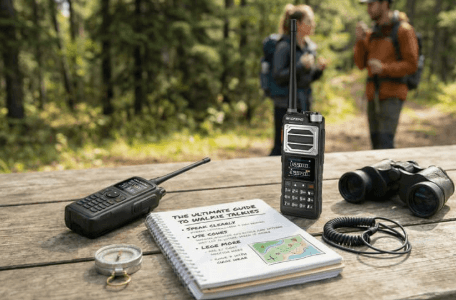
Portable radios are the backbone of communication in many environments. They are compact, lightweight, and designed to be easily carried by the user. Ideal for security personnel, construction teams, events, retail stores, and any situation where mobility is key. They offer instant two-way communication and are robust enough to withstand daily use. Models from brands like Kenwood and ICOM stand out for their durability, audio clarity, and programmable functions that adapt to various operations.
2. Mobile Radios: Power and Range for Vehicles
Designed to be installed in vehicles (cars, trucks, motorcycles), mobile radios offer higher transmission power and, therefore, a greater range than portables. They are essential for transport fleets, emergency services, taxis, and any operation requiring constant communication from a fixed point or while moving within a vehicle. They usually feature external antennas that significantly improve signal quality and coverage.
3. Marine Radios: Safe Communication on the Water
Communication at sea presents unique challenges due to humidity, salinity, and the need for waterproof equipment. Marine radios are specifically designed for these conditions, offering water resistance (often with IPX7 certifications or higher) and access to international marine channels. They are vital for fishing vessels, pleasure boats, coast guard services, and any nautical activity, ensuring safety and coordination on the water. Brands like ICOM are recognized for their reliability in this segment.
4. Aerial Radios: Connectivity in the Sky
For pilots and air traffic control personnel, communication is a matter of life and death. Aerial radios operate on specific aviation frequencies and are designed for exceptional voice clarity, even in noisy environments. They are fundamental for flight coordination, communication with control towers, and the general safety of air operations, in both commercial and private aviation.
5. Intrinsically Safe Radios: Safety in Hazardous Environments
In industries such as petrochemicals, mining, gas, and others where flammable gases, vapors, or combustible dusts are present, the use of electronic equipment represents an explosion risk. Intrinsically safe radios are certified to operate in these hazardous environments without generating sparks or heat that could ignite an explosive atmosphere. They are a critical investment for personnel safety and the prevention of catastrophic accidents.
6. Radiocommunication Repeaters: Expanding Horizons
Repeaters are stations that receive low-power radio signals and retransmit them with higher power, significantly extending the communication range. They are essential for covering large geographical areas, tall buildings, or zones with obstacles that block the signal. A well-designed repeater system can transform local communication into regional coverage, optimizing operational efficiency and personnel safety.
7. Radio Accessories: Optimizing the Experience
The functionality of a radio can be greatly enhanced with the right accessories. Long-lasting batteries, fast chargers, headsets with microphones (hands-free), high-performance antennas, protective cases, and programming software are just a few examples. These accessories not only extend the equipment’s lifespan but also improve user comfort, efficiency, and safety.
See also: What Is Open-Source Technology and Why It Matters
Leading Brands and Technological Advancements
The radiocommunication market is dominated by brands that have demonstrated their commitment to innovation and quality. Kenwood, ICOM, and Motorola are pillars of the industry, offering solutions that integrate the latest technology.
Kenwood: Innovation and Reliability
Kenwood is synonymous with robust, high-performance radios. Their equipment is known for its durability, excellent audio quality, and advanced features. The brand has been a pioneer in integrating digital technologies (DMR and NEXEDGE) that offer greater channel capacity, better voice quality, and enhanced security features such as encryption. Their portable and mobile radios are a popular choice in security, construction, and transportation.
ICOM: Specialists in Critical Communication
ICOM stands out for its expertise in marine and aerial radios, as well as its solutions for critical environments. Their equipment is famous for its water resistance, reliability in extreme conditions, and intuitive user interface. ICOM also offers a wide range of land radios, including digital and analog models, that meet the needs of various industries.
Motorola: The Legacy of Radiocommunication
Motorola is one of the most iconic brands in the history of radiocommunication. Their radios, especially the MOTOTRBO line, are leaders in digital technology, offering clear, secure, and efficient communication. Motorola focuses on comprehensive solutions for businesses and governments, with a strong emphasis on public safety and emergency management. Their radio systems are scalable and adaptable to the most demanding needs.
Key Technological Advancements
Radiocommunication has seen significant advancements in recent years:
•Digitalization (DMR, P25, NXDN): Digital radios offer greater voice clarity, better coverage, higher spectral efficiency, and advanced features such as text messaging, integrated GPS, and encryption.
•PoC Radios (Push-to-Talk over Cellular): They combine the immediacy of a radio with the coverage of cellular networks, allowing long-distance communication without the need for traditional radio infrastructure.
•Integrated GPS: Allows for tracking the location of personnel and vehicles, improving safety and logistical efficiency.
•Resistance and Durability: Modern equipment is designed to meet military resistance standards (MIL-STD) and IP (Ingress Protection) certifications against dust and water, ensuring operation in the harshest conditions.
•Long-Lasting Batteries: Innovations in battery technology have significantly increased the autonomy of portable radios, crucial for long workdays.
How to Choose the Right Provider in Mexico
Selecting the radiocommunication equipment is only part of the equation; choosing a reliable provider is equally important. A good provider doesn’t just sell products but offers a comprehensive service that includes advice, installation, technical support, and warranty.
1. Experience and Specialization
Look for providers with a proven track record and specific experience in radiocommunication. A specialist will understand your needs and recommend the most appropriate solutions. radiored.com.mx stands out for being the first specialized online store in Mexico, highlighting its experience and focus on this niche.
2. Variety of Products and Brands
A broad catalog with products from various leading brands ensures that you will have access to the best available technology and can compare options to find the one that best fits your budget and requirements. The availability of portable, mobile, marine, aerial, intrinsically safe radios, repeaters, and accessories is an indicator of a complete provider.
3. Technical Support and After-Sales Service
Radiocommunication is a long-term investment. Ensure the provider offers solid technical support, maintenance service, and a warranty. This is crucial for resolving any issues that may arise and for keeping your equipment operational over time.
4. Personalized Advice
Every customer has unique needs. A quality provider will offer personalized advice, helping you understand technical specifications, local regulations, and best practices for your sector. This is especially important for configuring complex systems or choosing radios for specific environments.
5. Competitive Prices and Offers
While quality and service are paramount, it’s also important to find a provider that offers competitive prices and promotions. Keeping an eye on the latest offers and discounts can represent significant savings on your investment.
Conclusion: Reliable Connectivity for Success
Radiocommunication is a vital technology that continues to evolve, offering robust and efficient solutions for communication in a multitude of scenarios. From coordinating teams on a construction site to the safety of maritime or aerial operations, the ability to communicate instantly and reliably is a fundamental pillar for efficiency and safety. Choosing the right equipment, whether portable, mobile, marine, aerial, or intrinsically safe radios, along with the necessary accessories and repeaters, is a decision that should be made with information and expert advice.
For the Mexican market, having a specialized provider like RadioRed, which offers a wide range of products from leading brands like Kenwood, ICOM, and Motorola, is an invaluable advantage. By investing in quality radiocommunication solutions, companies and professionals not only ensure uninterrupted connectivity but also improve the safety of their personnel, optimize their operations, and stay at the technological forefront. In an increasingly dynamic business environment, modern radiocommunication is more than a tool; it is a strategic partner for success and peace of mind.